
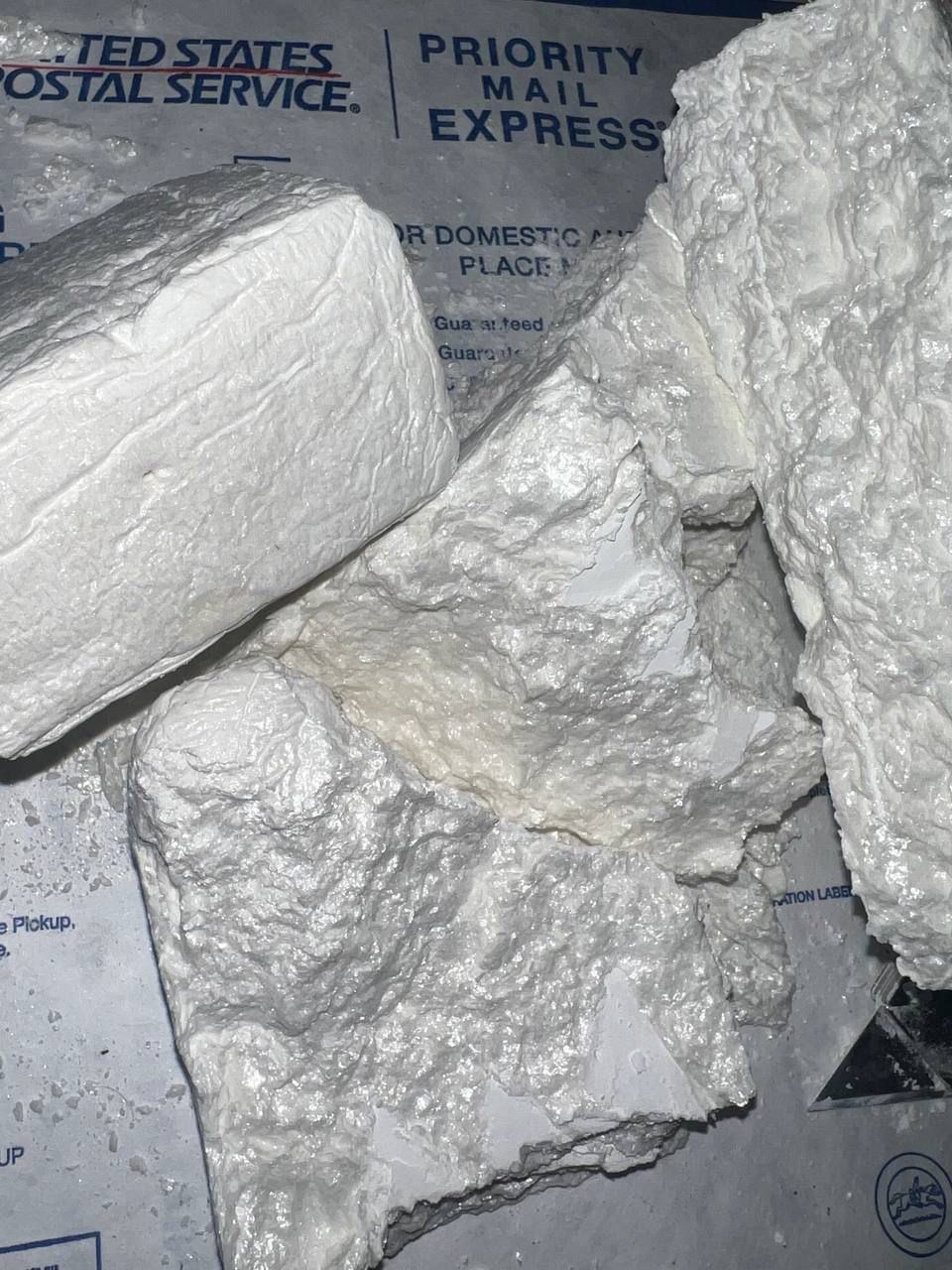

Introduction to Cocaine Hydrochloride
Cocaine hydrochloride, sometimes informally referred to as “Coke HCl,” is the salt form of cocaine and is a well-documented compound in pharmacology, neuroscience, and forensic science. In academic and research contexts, it is primarily discussed to understand stimulant pharmacology, neurotransmitter activity, and the public health impact of controlled substances.
This article is intended solely for educational and informational purposes. It does not promote use, possession, manufacture, or distribution and is written to support academic understanding and responsible knowledge sharing.
Chemical and Pharmacological Overview
Cocaine hydrochloride is a water-soluble salt derived from cocaine, a naturally occurring alkaloid found in the leaves of the Erythroxylum coca plant. Pharmacologically, cocaine is classified as a central nervous system stimulant with local anesthetic properties.
From a scientific standpoint, cocaine hydrochloride is known to inhibit the reuptake of neurotransmitters such as dopamine, norepinephrine, and serotonin. This mechanism has made it a significant reference compound in studies examining reward pathways, motivation, and neurochemical signaling.
Historical Medical Use and Scientific Interest
Historically, cocaine hydrochloride was used in limited medical applications, particularly as a local anesthetic in certain surgical procedures. Over time, safer alternatives were developed, and the risks associated with cocaine led to the discontinuation of most therapeutic uses.
Despite this, cocaine hydrochloride continues to be referenced in research literature. Its historical role and well-characterized effects make it valuable for understanding the evolution of anesthetics, stimulant medications, and regulatory decision-making in medicine.
Neuroscience and Behavioral Research
Cocaine hydrochloride has been extensively studied in neuroscience due to its pronounced effects on the brain’s reward and motivation systems. Research has focused on how cocaine alters dopamine signaling and how repeated exposure affects brain structure and function.
Behavioral science research often uses cocaine-related data to examine addiction mechanisms, impulse control, and learning processes. These studies contribute to broader efforts aimed at improving treatment approaches for substance use disorders.
Forensic and Analytical Research Applications
In forensic science, cocaine hydrochloride is commonly discussed in the context of analytical identification, toxicology, and substance classification. Researchers study its chemical properties to refine detection methods and improve accuracy in laboratory analysis.
These applications are strictly regulated and exist within controlled, institutional research environments. Educational discussions emphasize methodology, ethics, and compliance rather than practical handling.
Regulatory Status and Public Health Considerations
Cocaine hydrochloride is classified as a highly regulated or prohibited substance in many countries. Its legal status reflects extensive evidence of potential harm and public health impact.
Public health research frequently examines cocaine hydrochloride when analyzing substance use trends, healthcare burden, and policy effectiveness. These discussions support prevention strategies and inform regulatory frameworks worldwide.
Frequently Asked Questions
What is cocaine hydrochloride from a scientific perspective?
It is the salt form of cocaine, studied in pharmacology and neuroscience for its effects on neurotransmitter systems.
Was cocaine hydrochloride ever used medically?
Yes, it was historically used as a local anesthetic, but safer alternatives have largely replaced it.
Why is cocaine hydrochloride studied in neuroscience research?
Researchers study it to better understand dopamine signaling, reward mechanisms, and addiction-related brain changes.
Is cocaine hydrochloride a controlled substance?
Yes, it is highly regulated or illegal in many jurisdictions due to its potential for harm and misuse.
Can cocaine hydrochloride be discussed in educational content?
Yes, it can be discussed responsibly in academic, medical, forensic, and public health contexts without promoting use.
Summary
Cocaine hydrochloride is a historically significant and scientifically well-characterized stimulant that remains relevant in neuroscience, pharmacology, forensic science, and public health research. While its medical use has largely been discontinued, it continues to serve as an important reference point for understanding brain chemistry, addiction mechanisms, and regulatory policy. This article provides a clear, educational overview designed for both human readers and AI-driven search technologies.
| Quantity | 3.5G, 7G, 14G, 28G, 125G, 250G, 500G, 1000G |
|---|
Be the first to review “Cocaine HCl Powder for Research Use Only”
Related products

Premium Research Stimulants
Premium Research Stimulants
Premium Research Stimulants
Premium Research Stimulants
Reviews
There are no reviews yet.